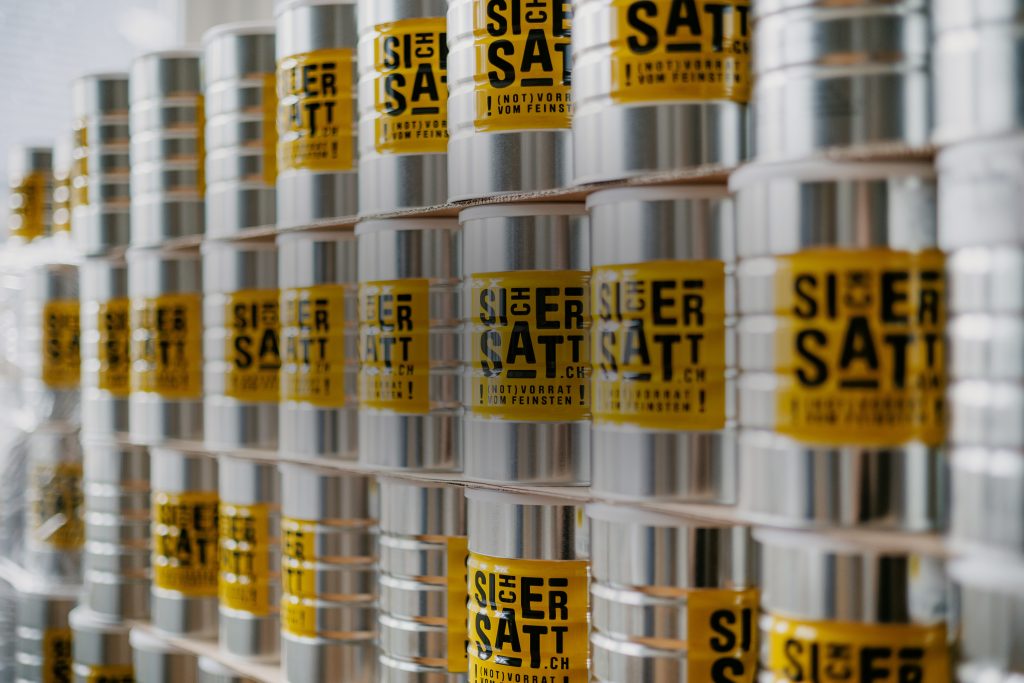
10 Emergency Food Supply Mistakes Almost Everyone Makes (and How to Avoid Them)
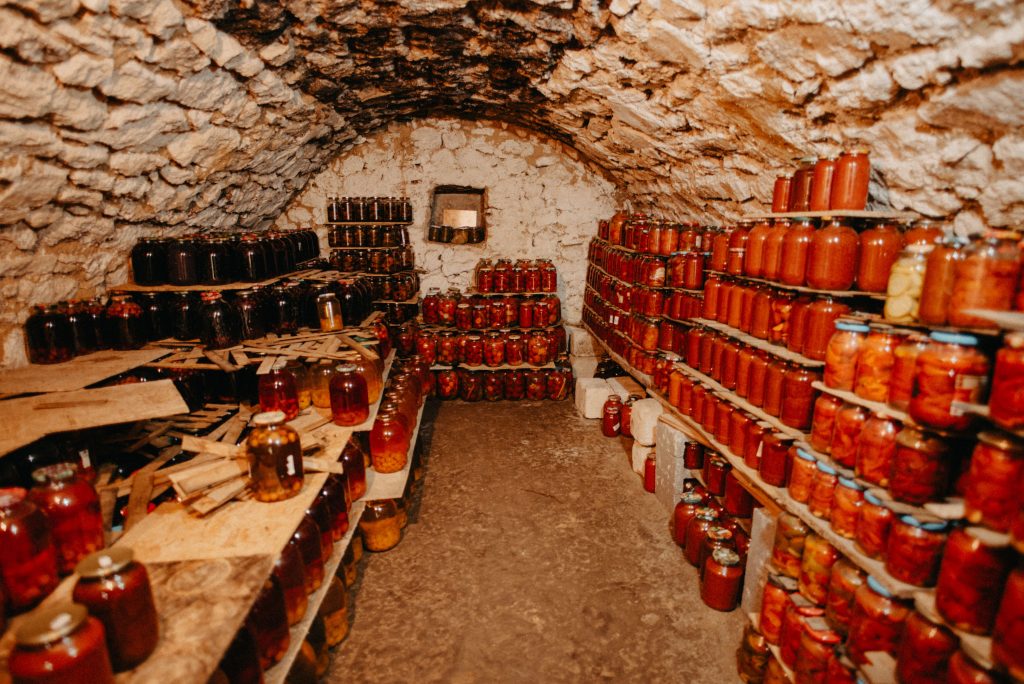
An emergency food supply gives you security. The Swiss federal government recommends that every household store food and water for at least one week. Sounds simple, but in our consultations we have seen the same pitfalls for years. Some just cost too much money, others render the entire supply useless in an emergency. Here are the ten most common mistakes and how to avoid them from the start.
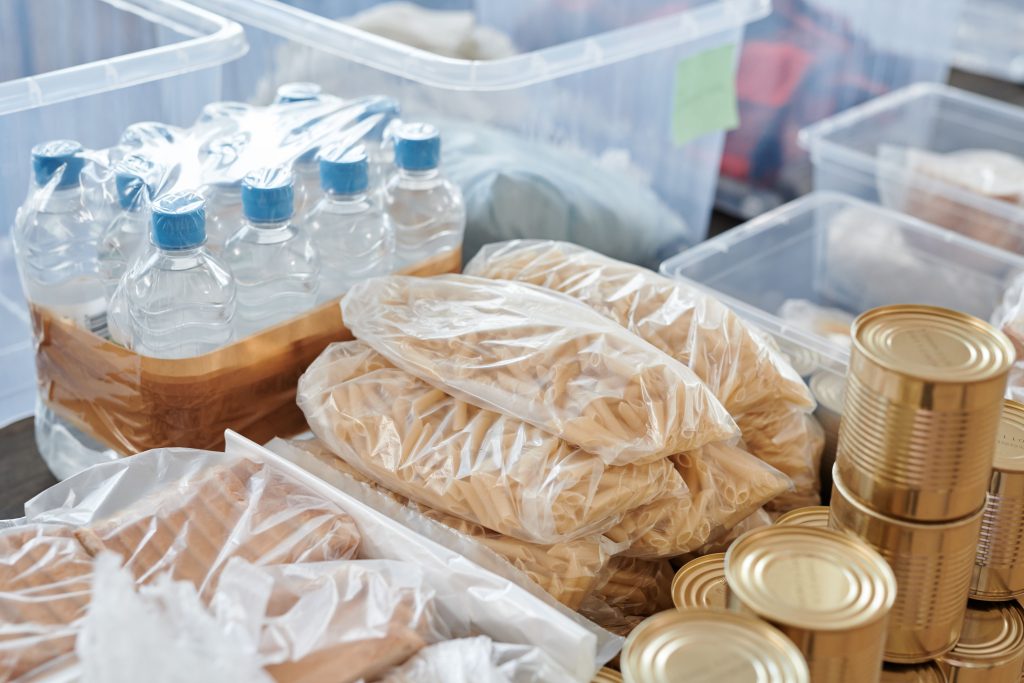
Mistake 1: You buy food you don’t like or can’t tolerate
Three pallets of discounted canned ravioli, even though nobody in the family eats ravioli? In an emergency, food is not just energy, it’s also psychology. A familiar, tasty meal calms you down and gives you strength. So the most important rule is: store what you eat, and eat what you store. That doesn’t mean every calorie won’t count in an absolute worst case! Then you’ll eat what you don’t like too. But if you’re planning ahead, you might as well plan with food everyone enjoys. Even more important: allergies and intolerances need to be considered from the start. A supply full of wheat products is useless if someone in your household has coeliac disease. Gluten-free and vegan emergency food has long been available, and for those affected it belongs at the top of the shopping list.
Mistake 2: You forget the water
The classic. The cupboard is full of pasta and canned goods, but not a single litre of drinking water is on hand. Yet water is the first thing to run out, because during a prolonged power outage, pumping stations and with them the water supply can fail too. Calculate at least nine litres per person for one week, ideally more. Add water for cooking on top. Long-life canned drinking water or a water filter as a backup make you independent.
Mistake 3: You buy at random instead of calculating your needs
How many calories does your household need per day? Hardly anyone knows. An adult needs 2000 to 2500 kilocalories daily, depending on activity. If you simply fill your shopping cart, you often end up with lots of volume and little energy in the cupboard. Calculate your needs first, for example with our checklist, then buy with a plan.
Mistake 4: You never check the expiry dates
An emergency supply is not a monument you build once and then forget. Without checks, some of your food will inevitably expire at some point. Do a quick check once a year and work by the first in, first out principle: whatever expires first gets eaten first and replaced. If that sounds like too much effort, go for long-term food with a shelf life of 10 to 25 years.
Mistake 5: You store it in the wrong place
Next to the radiator, above the oven or in a damp basement, shelf life shortens considerably. Ideal is a cool, dry and dark spot with a temperature as constant as possible. Watch out for pests too: flour, rice and grains belong in tightly sealed containers. Cans have a clear advantage here, as moths and mice can’t touch them.
Mistake 6: You underestimate calorie density
Ten cans of vegetables look like a lot, but they deliver less energy than a single kilo of rice. In a crisis, what counts is how much energy is stored in how little space. Freeze-dried food and emergency rations like compact bars pack the most calories into the smallest volume. That’s exactly why armies and relief organisations have relied on them for decades.
Mistake 7: Your supply is too one-sided
Pasta and rice alone will fill you up, but after a few days you’ll be missing protein, fat and vitamins. Add legumes, canned meat or vegan alternatives, oil, milk powder as well as freeze-dried vegetables and fruit. And don’t underestimate seasonings: salt, bouillon and herbs decide whether your supply tastes like an emergency solution or like food. That said, in a true emergency, seasonings won’t matter.
Mistake 8: You can’t cook when it counts
The finest supply is of little use if the stove stays cold during a power outage. A gas stove or emergency cooker with enough fuel belongs in every emergency supply. Meals that only need hot water are practical too: freeze-dried meals are ready in minutes and use hardly any fuel.
Mistake 9: You don’t think of everyone in the household
Baby food, allergies, medication, the needs of elderly people and last but not least the pets: many supplies lack exactly what individual family members urgently need. Go through your household person by person, and the cat and dog count too. Long-life emergency food for pets exists as well. And make sure to calculate extra water for your pets!
Mistake 10: You keep putting it off
The biggest mistake of all: never starting. An emergency supply doesn’t have to be complete in one weekend. Buy a few extra items with every shop, or start with a ready-made package as your foundation. Half a supply is worth infinitely more in an emergency than a perfect plan that never happened.
Conclusion: Avoiding these mistakes costs nothing
Almost all of these mistakes can be avoided with a little planning: calculate your needs, plan for water, store correctly, check once a year. Our guide on building an emergency food supply shows you how to do it step by step.
Want to keep it simple? Our ready-made emergency food packages in the shop cover your needs for anything from one week to a full year, with reliable shelf-life information on every product.